Bulukumba Shipyard Guide · South Sulawesi
Phinisi Yacht Specifications & Build Directory
Hull dimensions, ironwood construction, tonnage classes and cabin layouts of Indonesia’s two-masted schooners — documented page by page from the shipyards of Bulukumba, with a verified directory of 14 working charter vessels.
Section 01 · The Craft
How a Phinisi Is Built
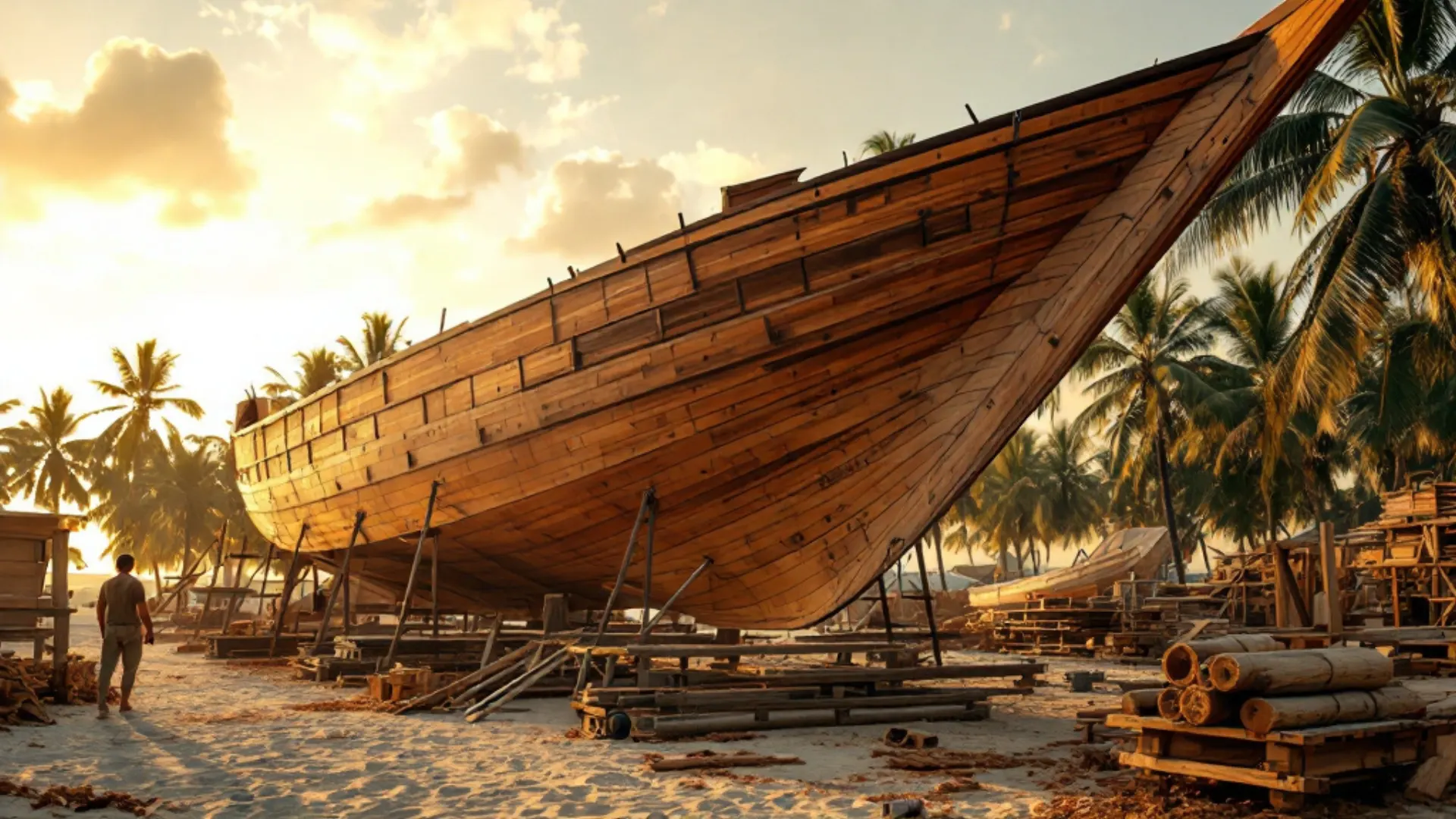
Every hull in this directory began the same way: on open sand, without written blueprints, in the hands of Konjo master builders. Six stages, documented in our build library.
The keel-laying ritual
Day one of a build is ceremonial: the keel is joined and blessed before a single plank is cut.
Shell-first planking
Unlike Western yards, Bulukumba builders plank the hull before framing it — shape first, skeleton second.
Pasak: wooden dowels
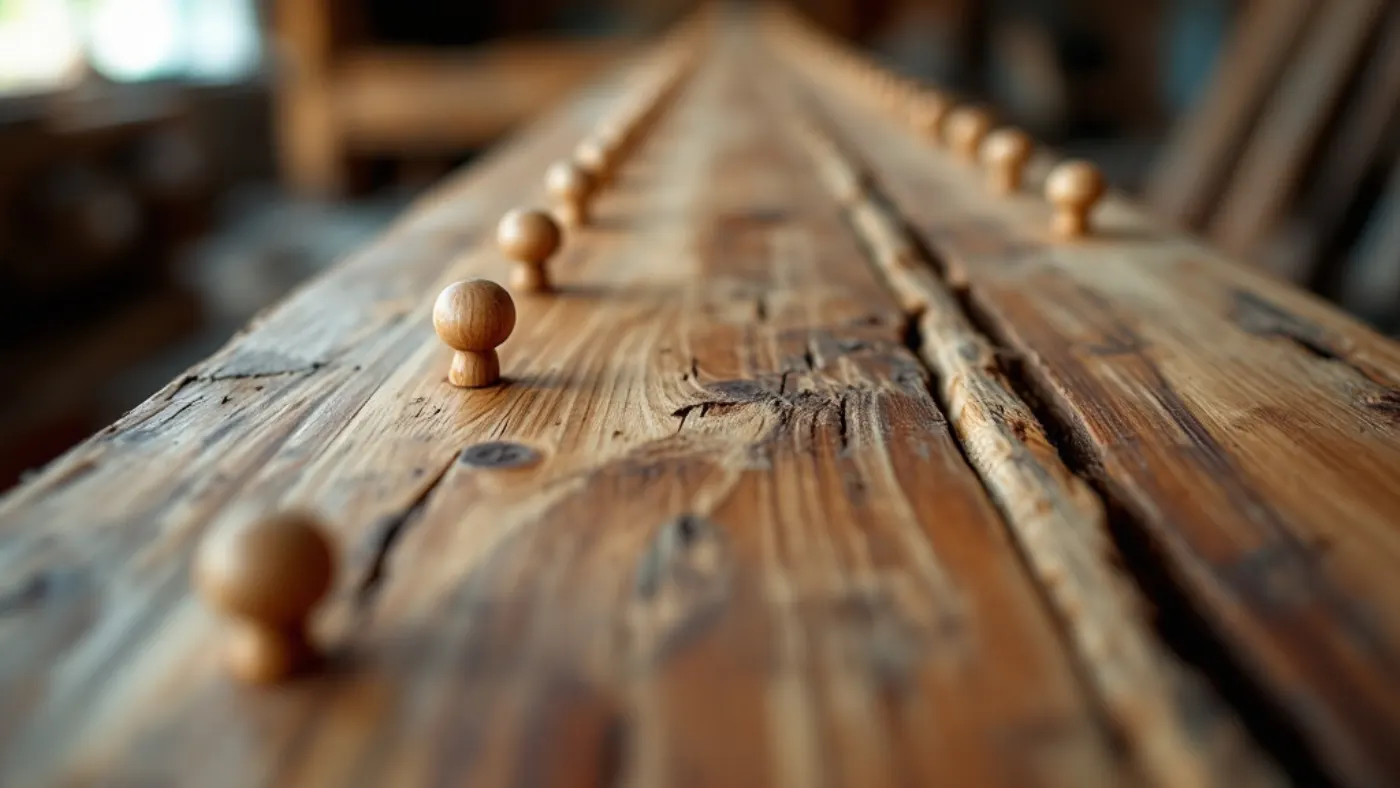
Thousands of hardwood pins, not bolts, hold the planking together — driven by hand into drilled seams.
Built without blueprints
Proportions live in the memory of the panrita lopi, passed down within families in Ara and Tana Beru.
Systems and fit-out
Engines, tanks, cabins and air-conditioning are threaded through the timber structure — 18 to 30 months keel to sea trials for a 30–40 m hull.
Annyorong lopi: the launch
The finished ship is pushed into the sea by hand, village and crew together — the ceremony UNESCO recognised in 2017.
Section 02 · The Vessel at a Glance
Typical Specifications of a Modern Charter Phinisi
Reference ranges compiled in Phinisi Specifications Explained. Gross tonnage drives certification and crewing — the full GT class breakdown is on the same page, with the measurement itself unpacked in GT Explained.
| Specification | Typical range (modern charter phinisi) |
|---|---|
| Length overall (LOA) | 20 – 50+ metres |
| Beam | 5 – 10 metres — roughly one quarter of LOA |
| Draft | 2 – 4 metres |
| Masts / sails | 2 masts, up to 7 sails in the traditional rig |
| Decks | 2 – 3: lower cabins, main deck, sun deck |
| Guest cabins | 1 – 10, depending on class |
| Crew | 6 – 18 — captain, engineer, chef, dive team |
| Structural timber | Ulin ironwood keel & frames; teak decks and interiors |
Timber roles are documented in the wood guide; rig terminology in sails & rigging.
Section 03 · The Documented Fleet
Fleet Directory: 14 Verified Vessels
Working phinisi and semi-phinisi of the Indonesian charter fleet, ordered by length overall. Every figure is verifiable against the vessel’s own published documentation — this is a specification reference, not a booking engine.
| Vessel | LOA | Cabins / Guests | Character | Official Site |
|---|---|---|---|---|
| LASHA | 52.5 m | 10 / 26 | Flagship-class; master suite with jacuzzi & balcony; rates published from USD 10,800/night | lashacruise.com |
| Mutiara | 47 m | 10 / 28 | Largest guest capacity listed; VVIP whole-boat charters & weddings | mutiaraphinisi.com |
| Lamborajo I–III | up to 38 m | fleet of 3 / 24 | Semi-phinisi trio for full-boat groups; open rate card | lamborajo.com |
| Catnazse | 34.4 m | 8 / 24 | Newest hull listed — Bulukumba 2026; named cabin grades | catnazseliveaboard.com |
| Lady Grace | 34 m | 10 / 22–24 | Ten cabins in five grades; cabin sales and full charter | ladygraceboatkomodo.com |
| Naturalia | 33.45 m · 161 GT | 8 / 24 | Published gross tonnage — a model specification sheet | naturaliacruise.com |
| Aura Suci | 30 m | 8 / 24 | Balcony & private bathroom in every cabin; dedicated family cabin | aurasuciliveaboard.com |
| Pinta | 30 m | 5 / 14 | Ironwood-and-teak 2021 build; dive specialist, nitrox, PADI 4:1 | pinta-liveaboard.com |
| Riley | ~30 m class | boutique | Owner-operated; publishes its own spec and rate pages | rileyphinisi.com |
| Magika | 26.7 m | 9 / 22 | Highest cabin density per metre in the list | magikaliveaboard.com |
| Neptune | boutique class | 7 / 20 | All sea-view cabins; bar and lounge deck | neptunecruisekomodo.com |
| Yumana | luxury class | 8 cabins | Royal Suite with private balcony; jacuzzi deck, panoramic dining | yumanaliveaboard.com |
| Natural Phinisi | 3-deck compact | 5 / 17 | 2021 Bulukumba build; clean example of the compact modern layout | naturalphinisikomodo.com |
| 3 Island | 22 m | 5 / 14 | The compact classic on the Padar–Komodo–Pink Beach circuit | 3islandliveaboard.com |
Specifications summarised from each vessel’s official published documentation, August 2026. Most vessels operate under the Komodo Luxury fleet umbrella from Labuan Bajo.
Section 04 · The Library
Specification & Build Guides
Specifications Explained
Dimensions, materials, GT classes and cabin counts — the master reference page.
Specs 02Phinisi Wood Guide
Ulin ironwood, teak and bitti — where each timber belongs and why.
Specs 03Cabin Layouts
Typical configurations by vessel size, from 5-cabin compacts to 10-cabin ships.
Specs 04Sails & Rigging
Two masts, seven sails — the names, the layout and what each sail does.
Build 01Phinisi Boat Building
How Bulukumba builds a ship by hand, from keel ceremony to sea trials.
Build 02Bulukumba Shipyards
Ara, Tana Beru and Lemo-Lemo — the villages behind the fleet.
Build 03Build Cost
Published bands from USD 150K compact hulls to the USD 6M Dunia Baru.
Build 04Maintenance
Recaulking, annual haul-outs and what keeps a wooden ship alive.
Guide 01What Is a Phinisi?
Meaning, history and what UNESCO actually inscribed in 2017.
Guide 02Phinisi vs Schooner
What actually separates the two — rig, hull and build lineage.
Guide 03Builder & Charter
From Bulukumba yard to guest deck — how a build becomes a voyage.
Guide 04Phinisi FAQ
100 construction, specification and charter questions, answered.
Section 05 · The Short Answer
What Is a Phinisi?
A phinisi is a two-masted wooden sailing vessel developed by the Bugis and Konjo boatbuilders of South Sulawesi, carrying up to seven sails on a gaff-ketch style rig. The hull is defined by a raked stem, a pronounced sheer line and a broad, buoyant stern — a shape that modern charter conversions retain while adding engine rooms, generator bays and full guest decks.
In 2017 UNESCO inscribed the art of boatbuilding in South Sulawesi on its Intangible Cultural Heritage list — recognising the craft knowledge of the Bulukumba yards, not any single vessel. Most of today’s charter phinisi are launched from the beaches of Ara, Tana Beru and Lemo-Lemo, then fitted out for Komodo, Raja Ampat and Banda Sea expedition routes. The full history is in What Is a Phinisi?; the honest answer on how much they actually sail is in this field note.
Section 06 · The Numbers
What a Phinisi Costs to Build
Every figure below is a published, attributed number from yard price guides and owner interviews — planning bands, not quotes. The full sourcing is in How Much Does It Cost to Build a Phinisi?
Day-boat and dive-workboat spec, bare traditional hull upward.
Multi-cabin charter spec; per-metre rule of thumb USD 40K–80K at tourism standard.
Dunia Baru — the only large phinisi with owner-disclosed final cost; the hull contract itself was USD 130K.
Section 07 · Field Questions
Frequently Asked
What is a phinisi?
A two-masted wooden sailing vessel of the Bugis and Konjo boatbuilders of South Sulawesi, traditionally rigged with up to seven sails. Modern charter phinisi keep the hull form and add engines, guest cabins and full hotel systems. Full history: What Is a Phinisi?
What wood is a phinisi built from?
The keel and primary structure are ulin — Bornean ironwood, dense enough to sink in water — while decks, superstructure and interiors are finished in teak, with bitti used in framing. Timber by timber: the wood guide.
How long does it take to build a phinisi?
A 30–40 m vessel typically takes 18 to 30 months from keel-laying to sea trials, with dozens of carpenters working largely by hand. Stage by stage: build timelines.
How much does it cost to build a phinisi?
Published figures run from about USD 150,000 for a compact 15 m working hull to roughly USD 6 million for the completed 51 m Dunia Baru. The traditional hull is the cheap part — systems and fit-out dominate. Sources: build cost.
Do modern charter phinisi actually sail?
Most operate as motor-sailers: engines do the daily work of a fixed itinerary, and sails are set when wind and schedule allow. The honest breakdown is in this field note.
What makes a phinisi charter different from other sailing experiences?
You are aboard a UNESCO-inscribed craft tradition — a hand-built ironwood ship — sailing routes like Komodo and Raja Ampat that few other vessel classes serve with this character. Start with the fleet directory.
Planning more of your trip? Explore curated Labuan Bajo and Flores trips to round out your plans.